making the invisible visible
A different approach to problems that don't respond to conventional solutions.
For high-capacity people ready to see what's actually keeping them stuck—and move forward.
The PROBLEM YOU CAN'T SOLVE MAY NOT BE THE REAL PROBLEM.
You've solved difficult problems before. But some issues resist intelligence, experience, effort—even good advice. Often, it’s because the real problem is the one you can’t see.
When what's actually driving the problem becomes visible, you have somewhere new to move. What felt stuck, complicated, or strangely resistant begins to make sense—and unexpected options become available.
where complex problems show up
Work // leadership
The business is working. Something in you- or around you- isn't.
relationships
The same pattern keeps resurfacing despite everything you've tried.
self // direction
You've accomplished a great deal, but can't see clearly what comes next.

When Words Aren’t enough.
You can understand a problem intellectually and still be unable to change it.
Our highly researched visual process reveals what thinking, talking, and analysis alone often miss—giving you a different way to see the problem and somewhere new to move.
Experience the work
Different problems call for different rooms.

THINK TANKS
For Perspective
Small, curated rooms for accomplished people to bring the problems they haven't been able to resolve alone // Bring the problem you can't solve. Leave seeing it differently.
By Invitation Only

Intensives // retreats
For Immersion
Our full method is delivered in focused, immersive work for high-stakes problems that deserve more than one conversation. // A dedicated space to get underneath what's actually happening and create meaningful movement.

private advisory
For Continuity
Ongoing access for leaders navigating decisions, dynamics, and complexities they can't easily take anywhere else. // A trusted outside perspective when the decisions you make carry real weight.
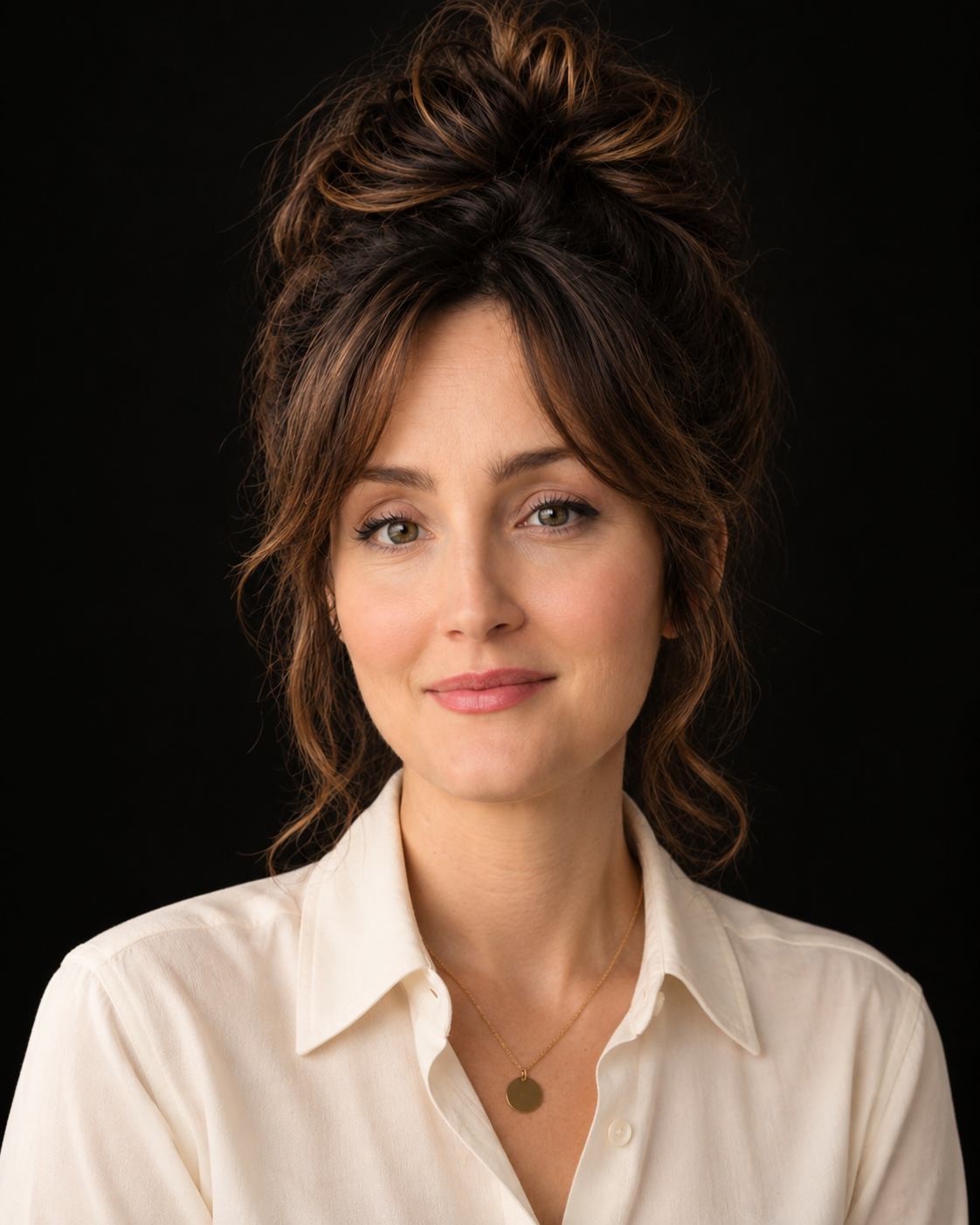
Jesska is often the “last call”—brought in when capable people have already thought, talked, strategized, and sought good advice, but something still isn't moving.
Her work sits at the intersection of psychology, neurobiology, business, performance, and expressive arts—drawing on nearly two decades of experience working with complex people in complex situations.
With a graduate degree in professional counseling and a triple specialization in trauma-informed practices and expressive art approaches, Jesska has worked across clinical settings, organizations, leadership teams, private executives, and high-stakes environments.
That breadth became the foundation for The Art Process—a highly researched visual methodology designed to surface what conventional thinking and conversation often leave untouched.
When the obvious approaches have been exhausted, the work begins somewhere else.
20 YEARS OF PRACTICE // PROFESSIONAL COUNSELING // TRAUMA + EXPRESSIVE ARTS // FOUNDER, THE ART PROCESS
THE RIGHT QUESTIONS REQUIRE MORE THAN ONE DISCIPLINE.
BEHIND THE PROCESS // JESSKA LAYNE HERFST, MAPC

Bring the problem you can’t solve
If you've been circling something important and the usual approaches aren't getting you anywhere, we should probably talk.
Tell us what you're working through. We'll determine together whether this is the right room for it.